Parking in Germany doesn't have to be confusing. Yet many drivers—especially tourists and expats—struggle to interpret German parking signs and markings, leading to unexpected fines and penalties. From zig zag lines to parking discs, waiting zones to management areas, understanding the rules can save you money and frustration.
This guide decodes every parking sign and restriction you'll encounter on German roads. Whether you're a resident, a visitor, or a regular commuter, you'll learn what each marking means, where you can (and can't) park, and how to avoid costly fines across Germany's cities and regions.
Key Takeaways
- Zig zag lines are absolute no-parking zones—never stop or park, even briefly
- Parking discs (Parkscheibe) are free clocks for time-limited zones; set your arrival time correctly
- Waiting zones allow brief stops; no stopping zones prohibit any stopping at all
- Management areas (Parkraumbewirtschaftung) require payment or valid permits
- Parking violations incur fines; early payment within specified timeframes may grant discounts
Understanding Curb Markings: Zig Zag Lines
German curb markings are straightforward and heavily enforced. Unlike some countries with nuanced color codes, Germany relies on the distinctive zig zag line pattern to signal absolute prohibitions. Understanding these markings is essential to avoid parking fines.
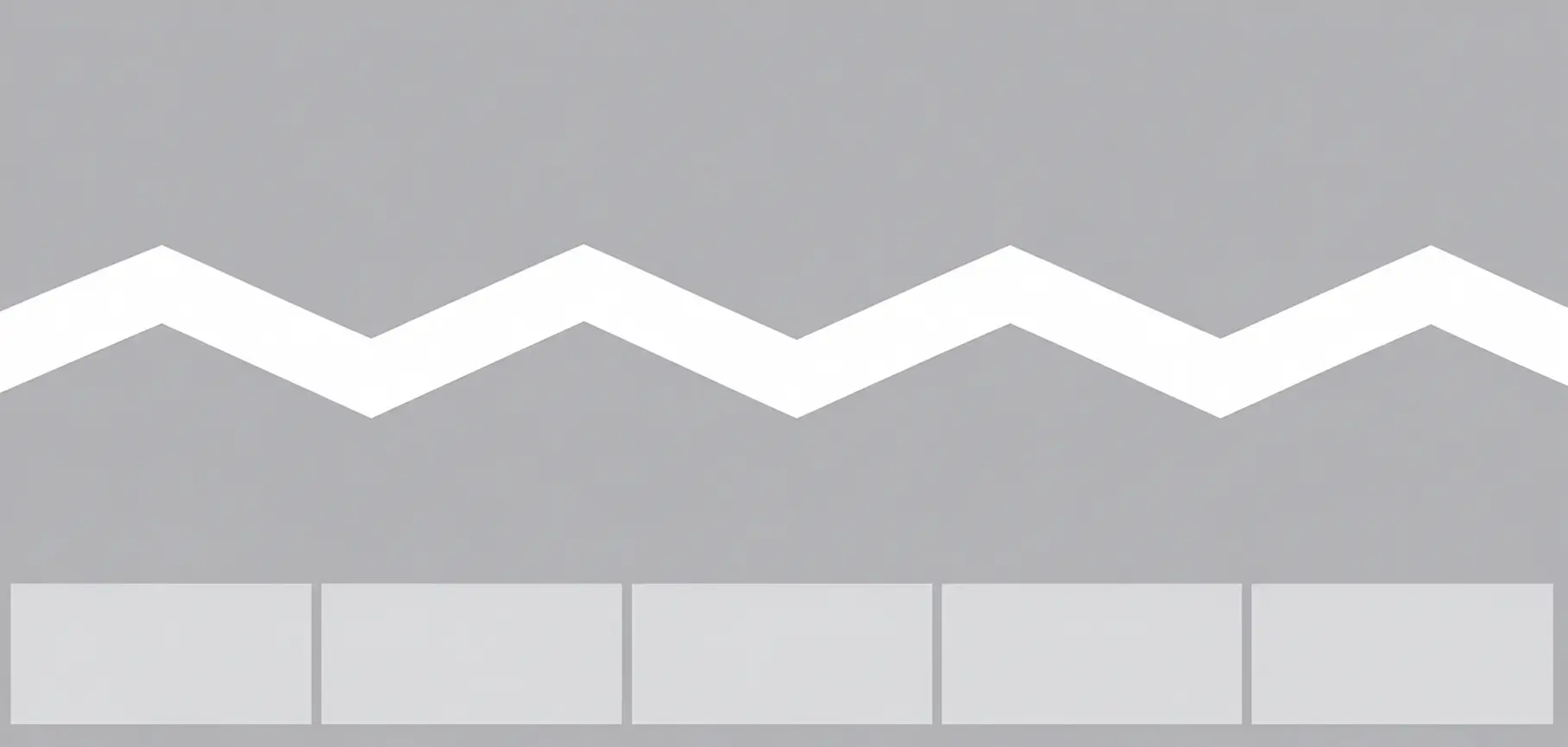
Zig Zag Line (Zickzacklinie)
Marking indicates no stopping or parking at any time. Absolute prohibition.
- Near pedestrian crossings
- Bus stops and public transport areas
- Fire hydrants and emergency exits
- Intersections and busy road sections
Fine: fines + possible towing
Parking Disc Zones: Free Parking with Time Limits
The parking disc (Parkscheibe) system is unique to German-speaking countries. These time-limited parking zones allow free parking for a set duration—usually 1-3 hours. Simply set your arrival time on the disc clock and display it on your dashboard. It's the most common parking system in Germany, particularly in residential areas and city centers.
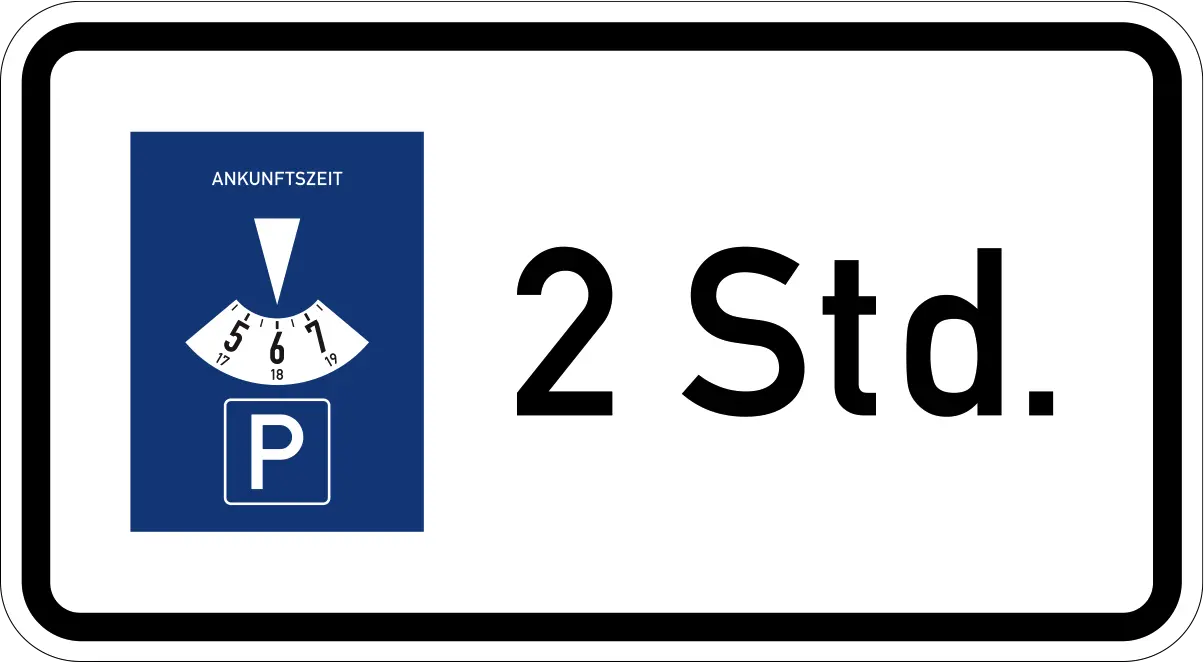
Parking Disc Zone (2 Hours)
Free parking with valid parking disc set to your arrival time. Maximum stay is 2 hours.
- Display disc on your dashboard
- Align arrival hour with the black pointer
- Leave before 2 hours have passed
- If removed, you parked incorrectly
Fine: fines without disc or if time exceeded
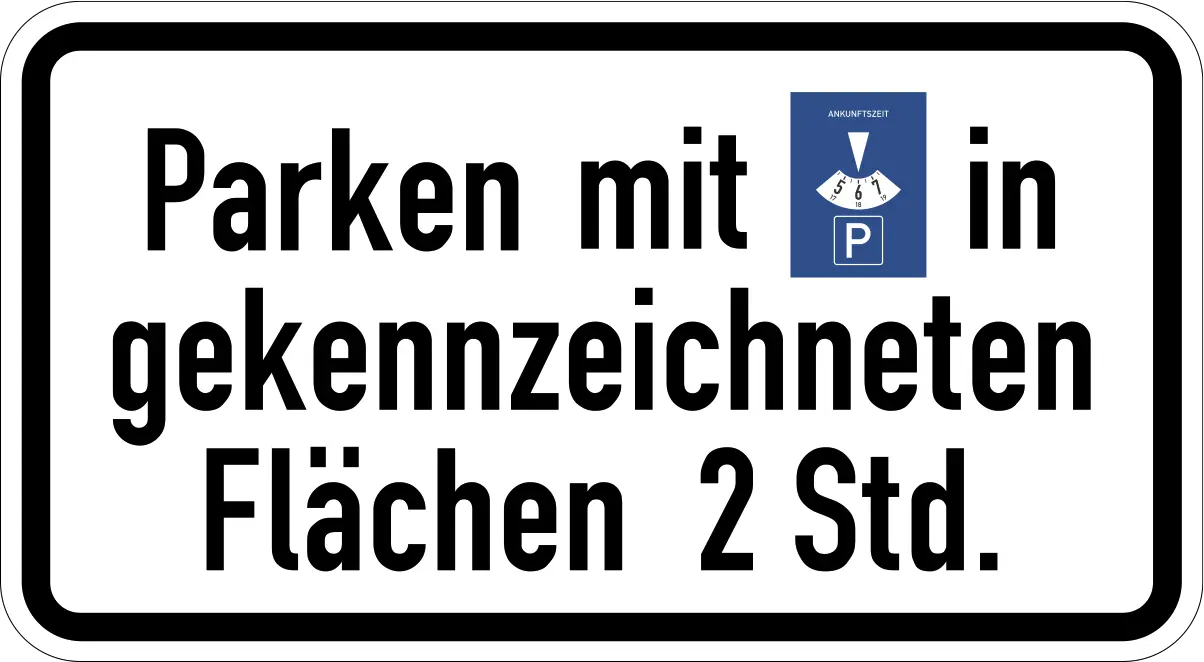
Marked Zone Disc Parking
Disc parking within clearly marked white parking space lines. Valid disc still required.
- Park fully within white-lined space
- Display disc on dashboard
- Do not exceed time limit shown on sign
- Exceeding boundaries results in higher fines
Fine: fines for violations
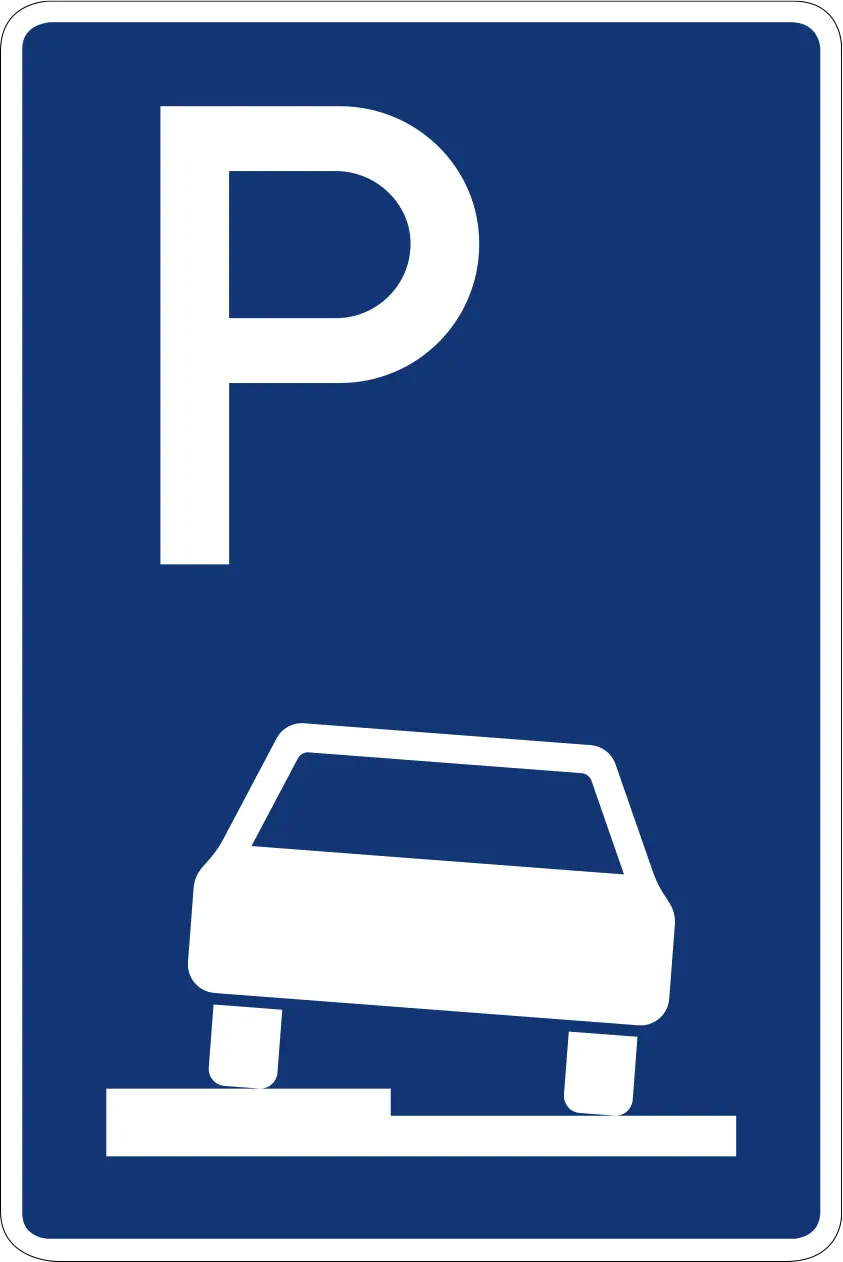
Pavement Parking Allowed
You may park on the sidewalk (pavement) with proper spacing for pedestrians.
- Two wheels on pavement, two on street
- Minimum 1.5m clearance for pedestrians
- Common in narrow residential streets
- Check signs for time restrictions
Fine: fines if pedestrian passage blocked
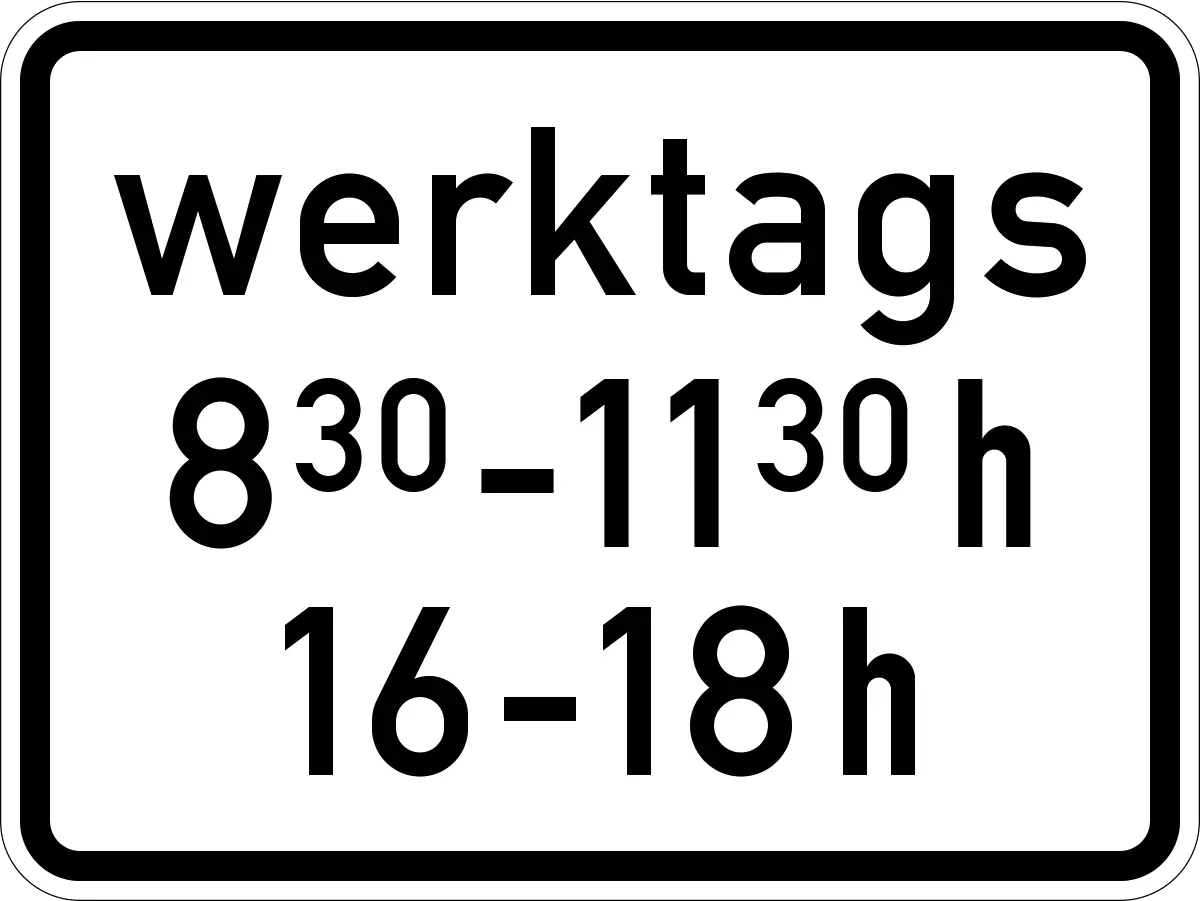
Weekday Time Restrictions (Werktags)
Parking allowed only during specific weekday hours shown on the sign.
- Allowed: 8:30-11:30am and 4-6pm on weekdays
- Prohibited: Outside these times on weekdays
- Weekends and holidays: Usually unrestricted
- Check signage for specific details
Fine: fines for violating times
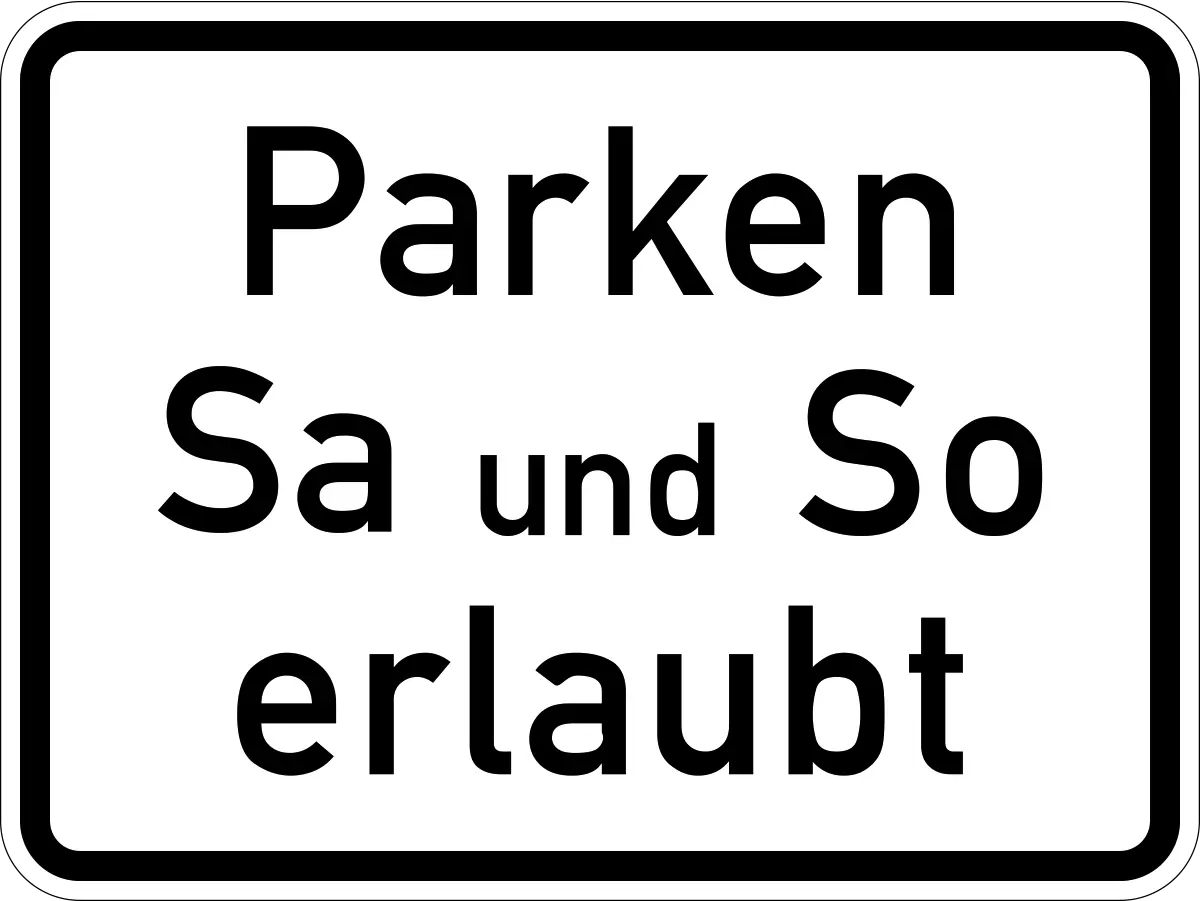
Parking Allowed at Weekdays (Parken erlaubt)
Parking is allowed on weekdays, but may be restricted or prohibited on weekends.
- Free parking Monday through Friday
- Typically restricted or prohibited weekends
- Check for time limits on supplementary signs
- No permit required on weekdays
Fine: fines for parking on weekends
Waiting & Stopping Zones: Understanding Red Circle Signs
German waiting and stopping zones are clearly marked with red circle signs and directional arrows. These zones regulate temporary halting and have strict time limits. The key distinction: waiting zones allow brief stops (usually 3-15 minutes), while no stopping zones prohibit any stopping whatsoever.
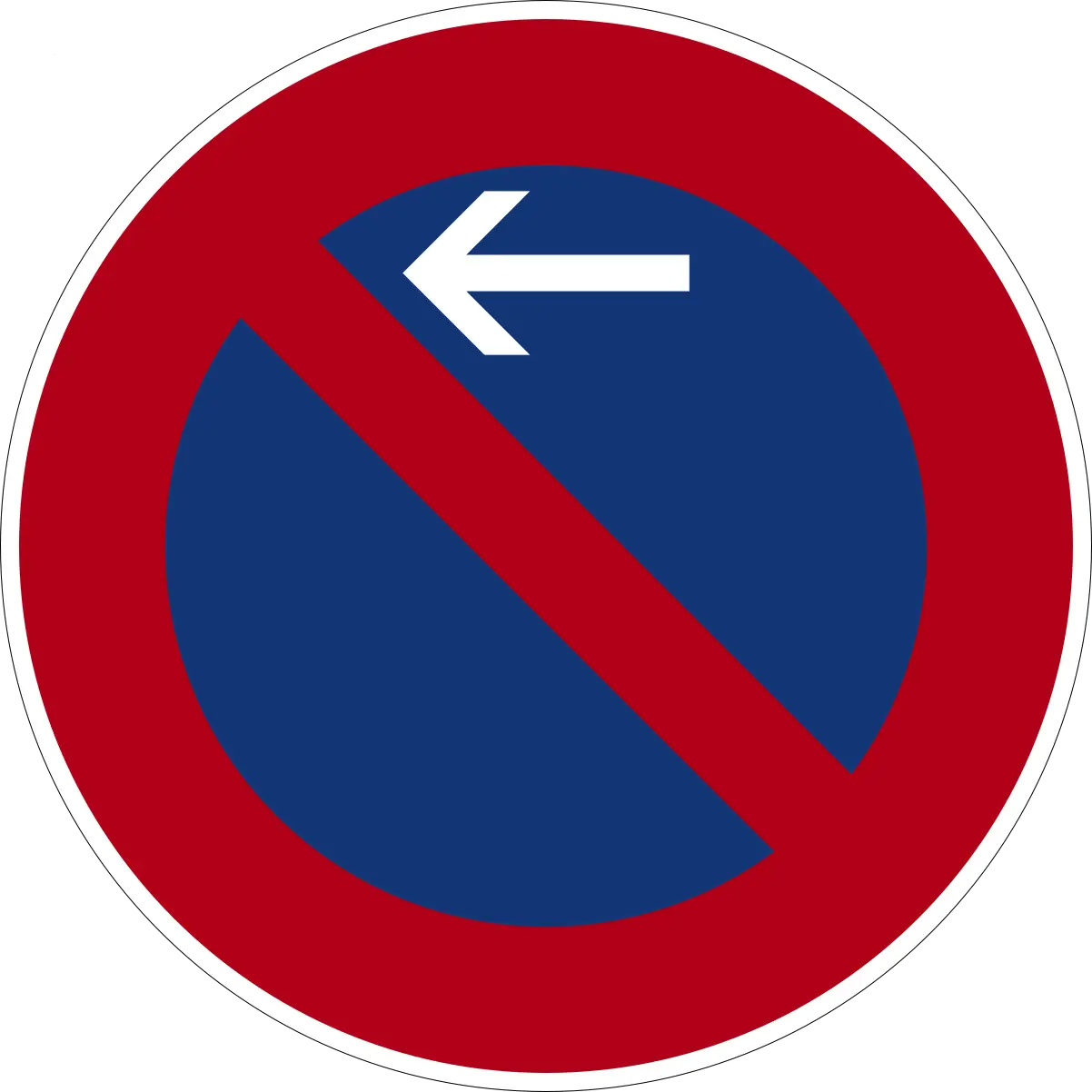
Waiting Zone Start (Haltestelle)
Temporary stopping permitted; parking not allowed. Good for brief passenger drops.
- Duration: Usually 3-15 minutes max
- Engine must remain running (not parked)
- Cannot leave vehicle unattended
- Suitable for passenger pickup/dropoff
Fine: fines for parking (not just waiting)
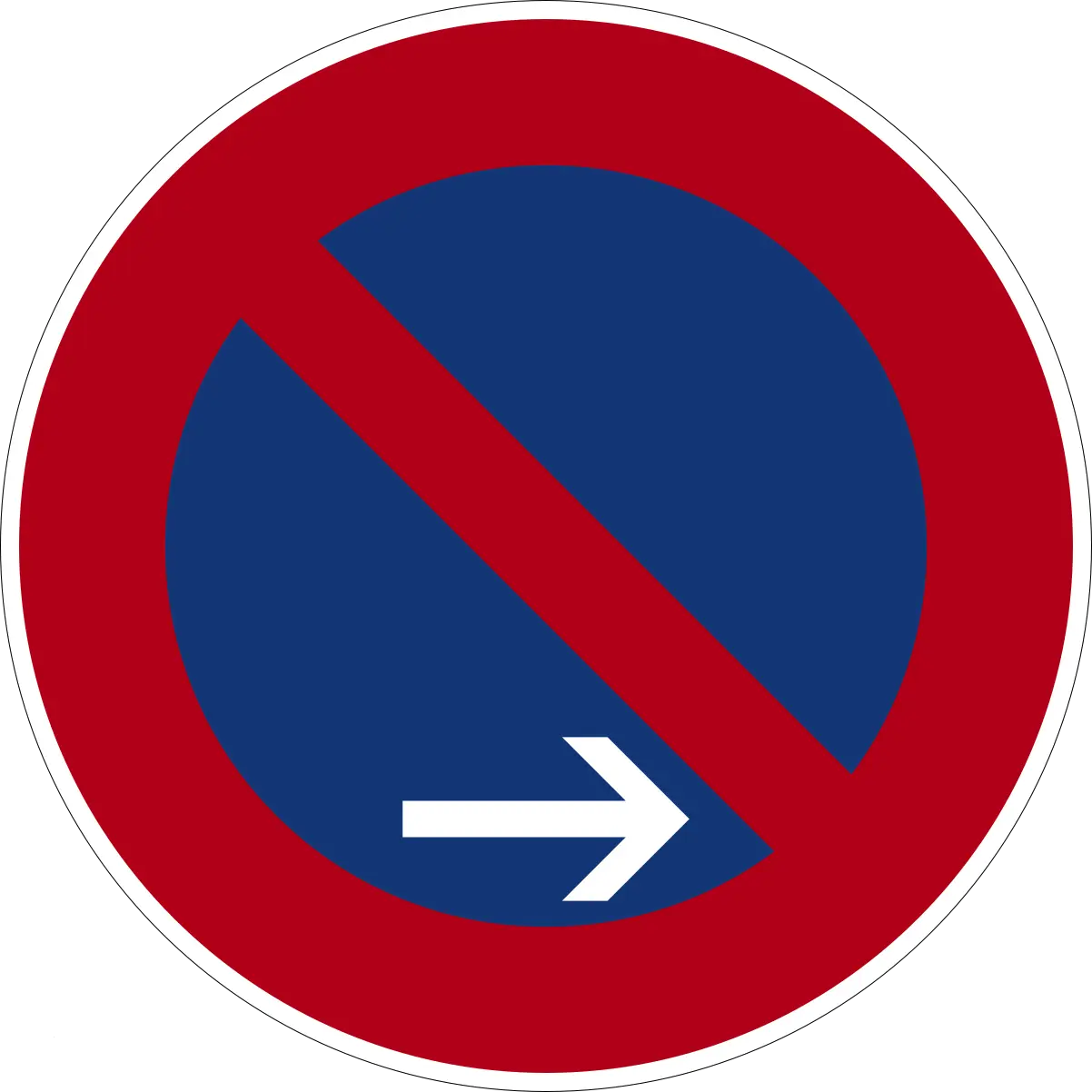
End of Waiting Zone
Restrictions end here. Normal parking rules apply beyond this point.
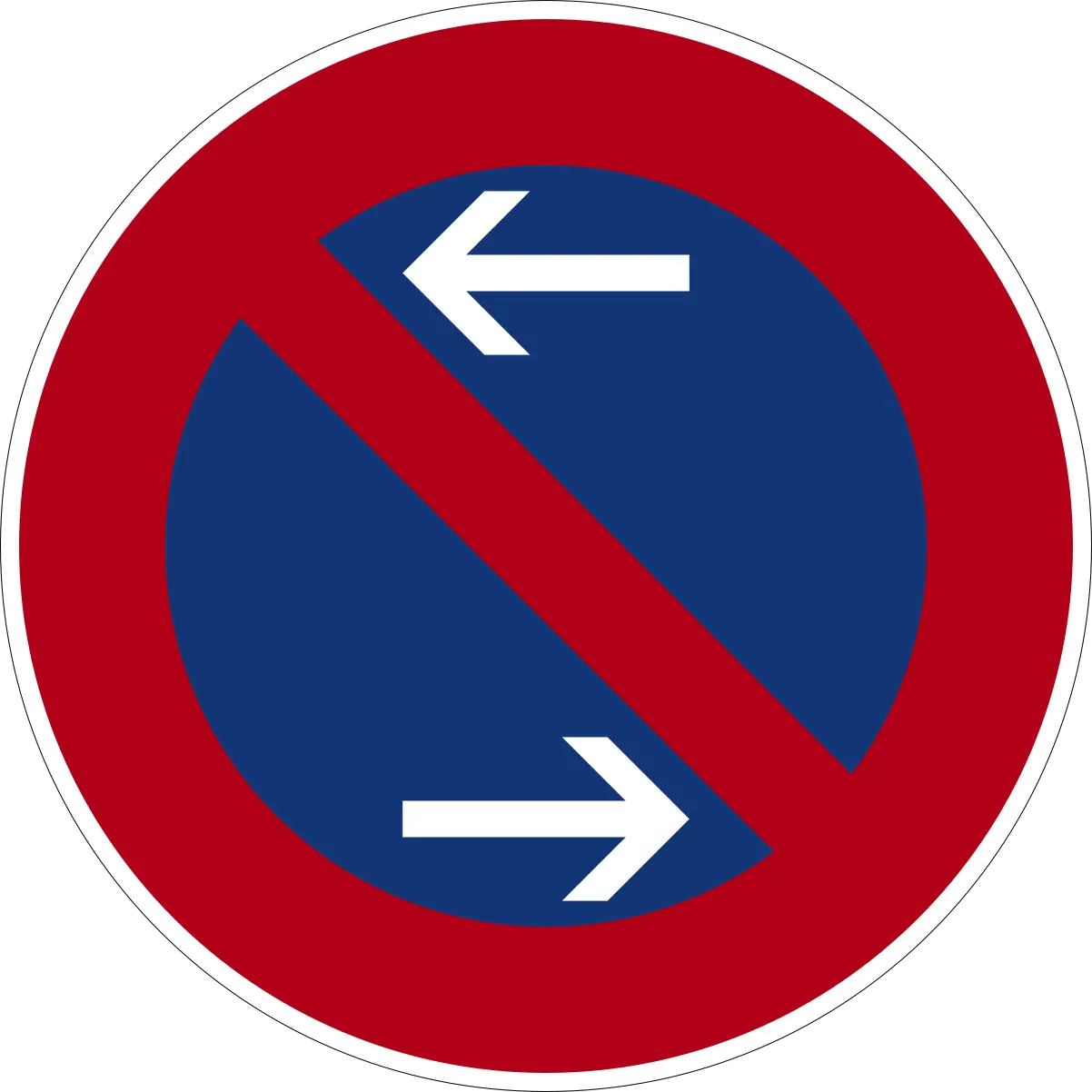
Continuation of Waiting Zone
Waiting zone continues beyond this point with the same rules as before.
- Brief stopping permitted (typically 3-15 minutes)
- Parking still not allowed
- Cannot leave vehicle unattended
- Check supplementary signs for specific time limits
Fine: fines for parking violations
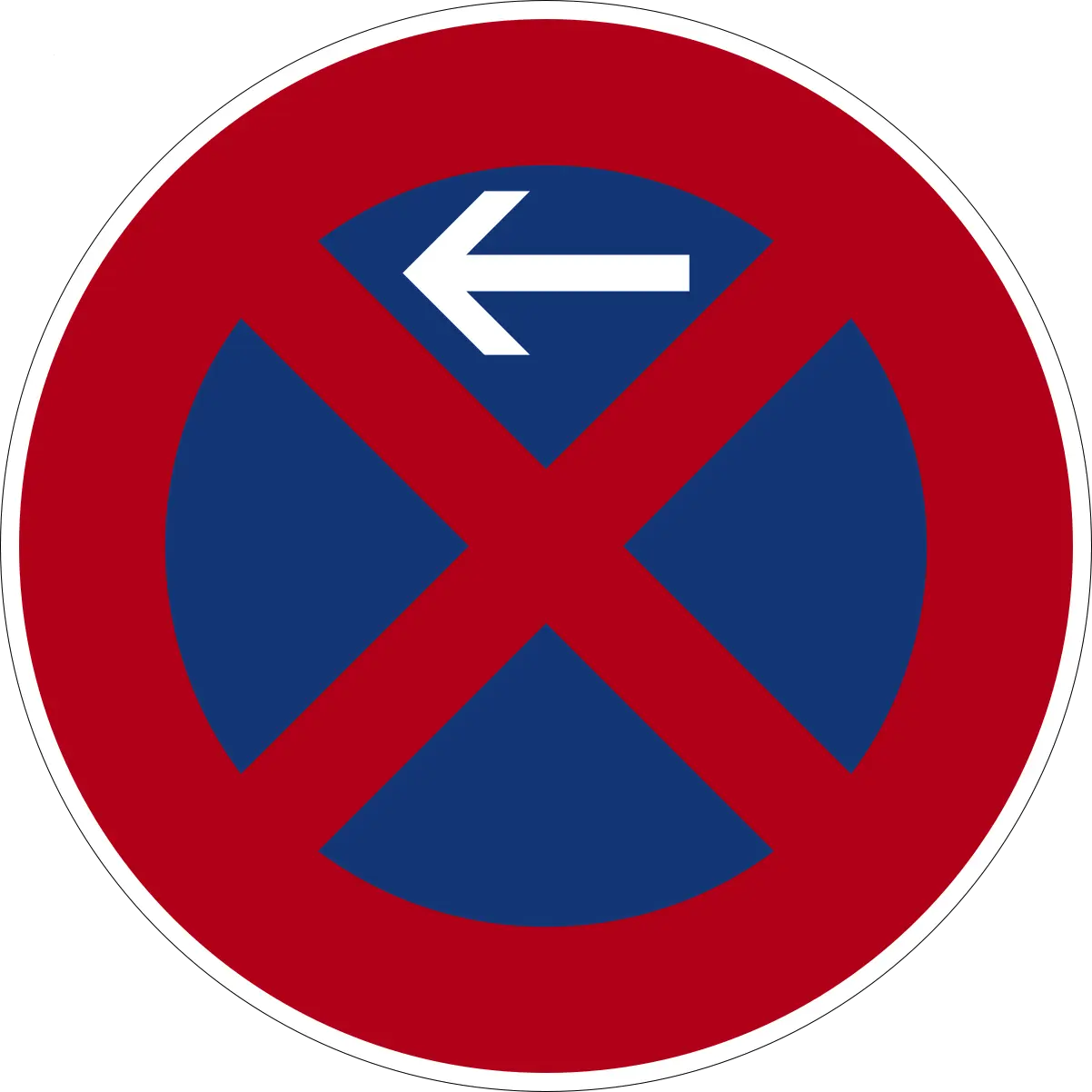
No Stopping Zone (Halteverbot)
Absolute prohibition on stopping or parking—not even briefly. Even 30 seconds is illegal.
- High-traffic roads and highways
- Major intersections and traffic circles
- Emergency vehicle routes
- Critical traffic passages
Fine: fines + possible towing
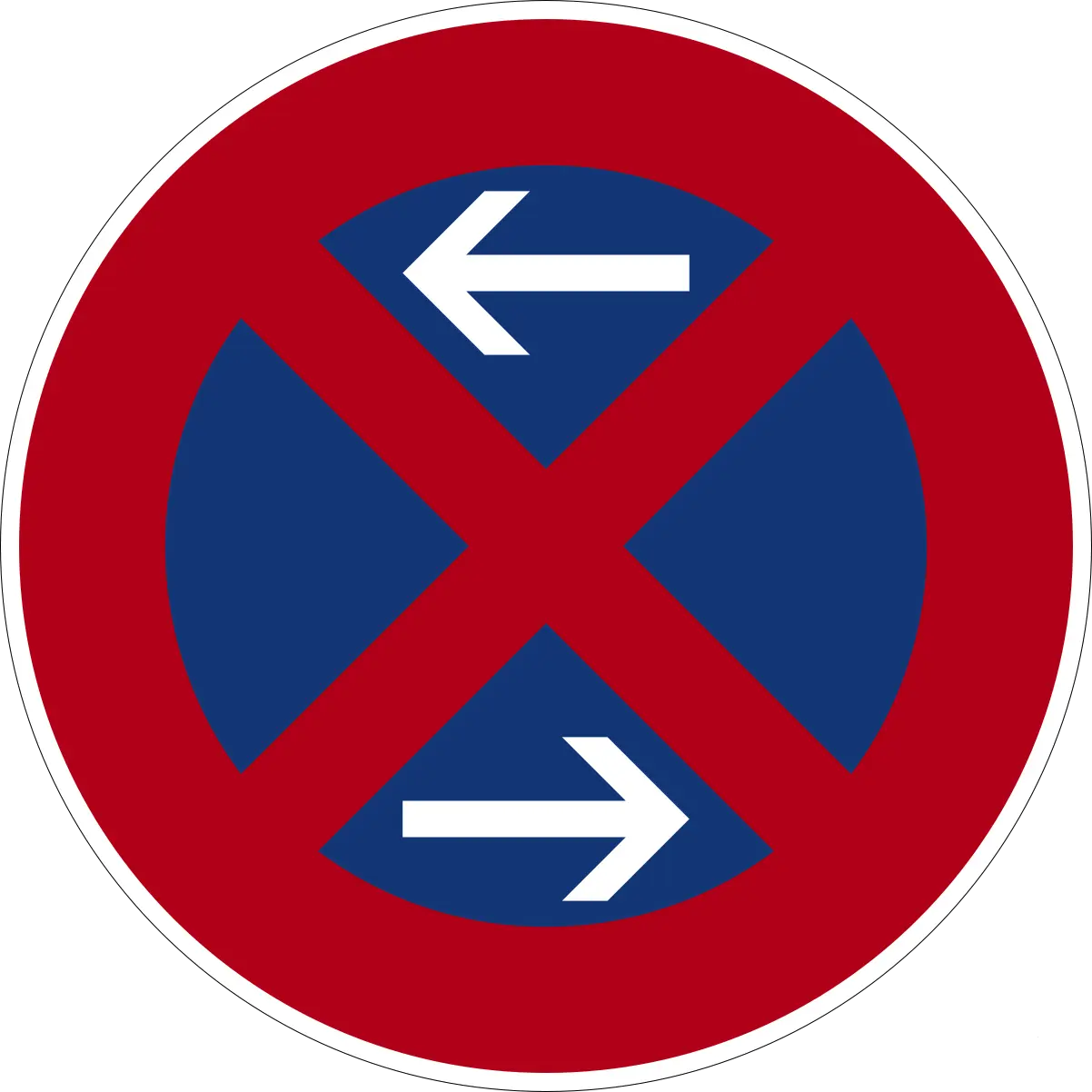
Continuation of No Stopping Zone
No stopping zone continues beyond this point with the same absolute prohibition.
- Cannot stop or park at any time
- Not even briefly—even 30 seconds is illegal
- Applies to all vehicles equally
- No exceptions except emergency vehicles
Fine: fines + possible towing
Parking Zones & Management Areas: Understanding Blue P Signs
German cities use zone markers to indicate areas with special restrictions or paid parking requirements. These blue P signs with varied markings denote parking management areas where compliance is strictly monitored. Zones have clear start and end markers, making it easy to understand your parking obligations.
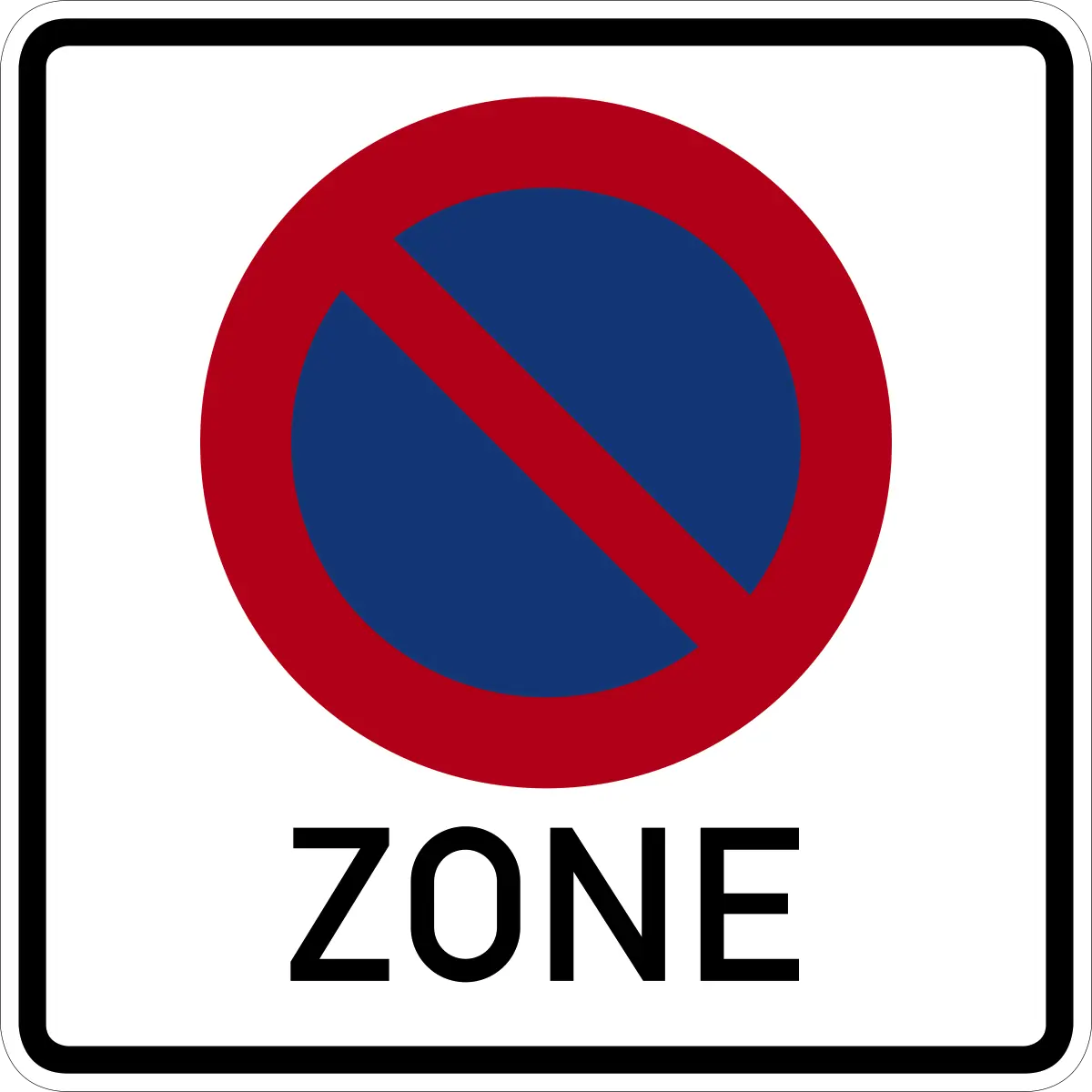
Start of Restricted Zone
Entering an area with limited parking and special restrictions.
- Time-limited parking rules
- Permit requirements
- Payment information
- Exceptions (disabled, residents)
Fine: fines for non-compliance
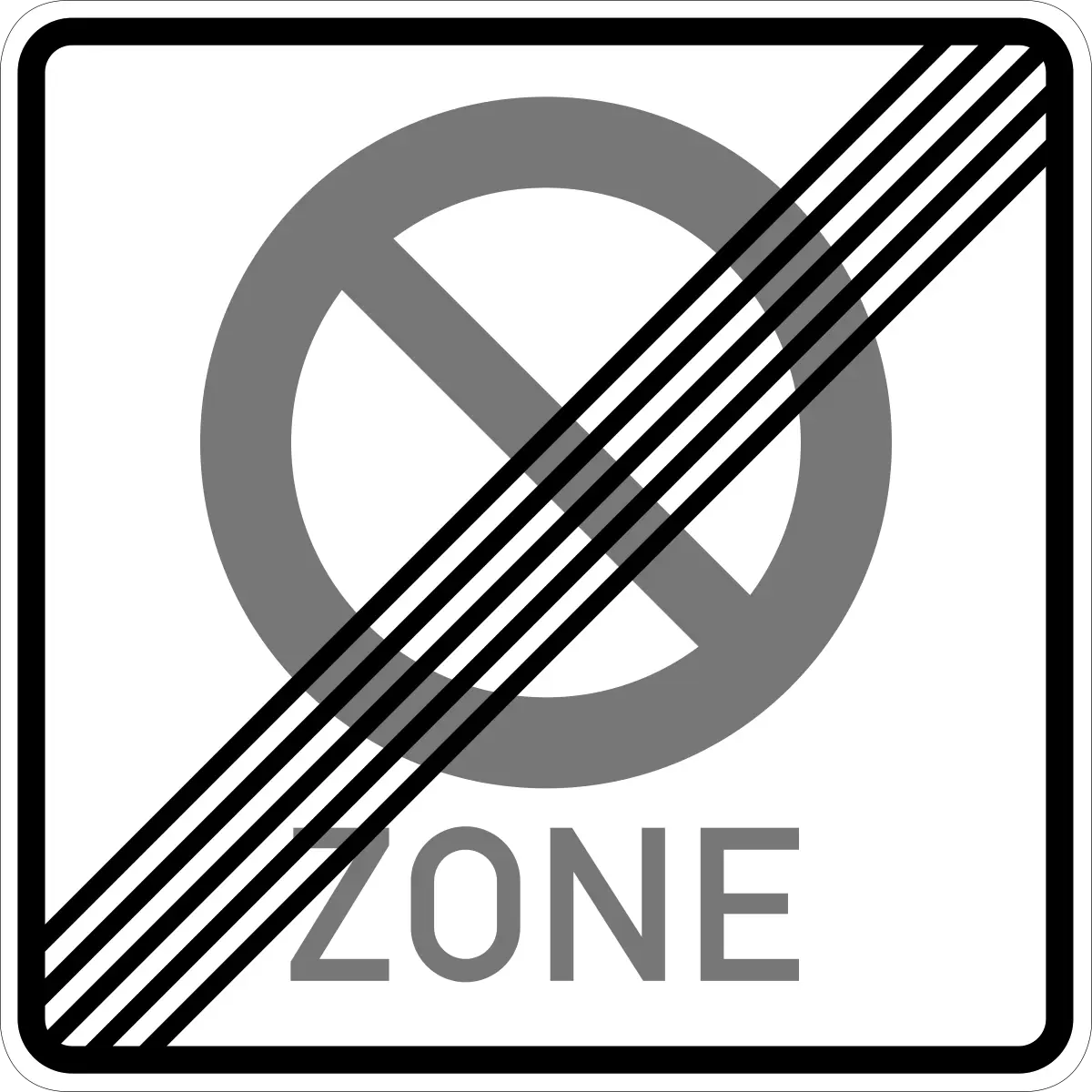
End of Restricted Zone
Exiting restricted parking area. Previous rules no longer apply.
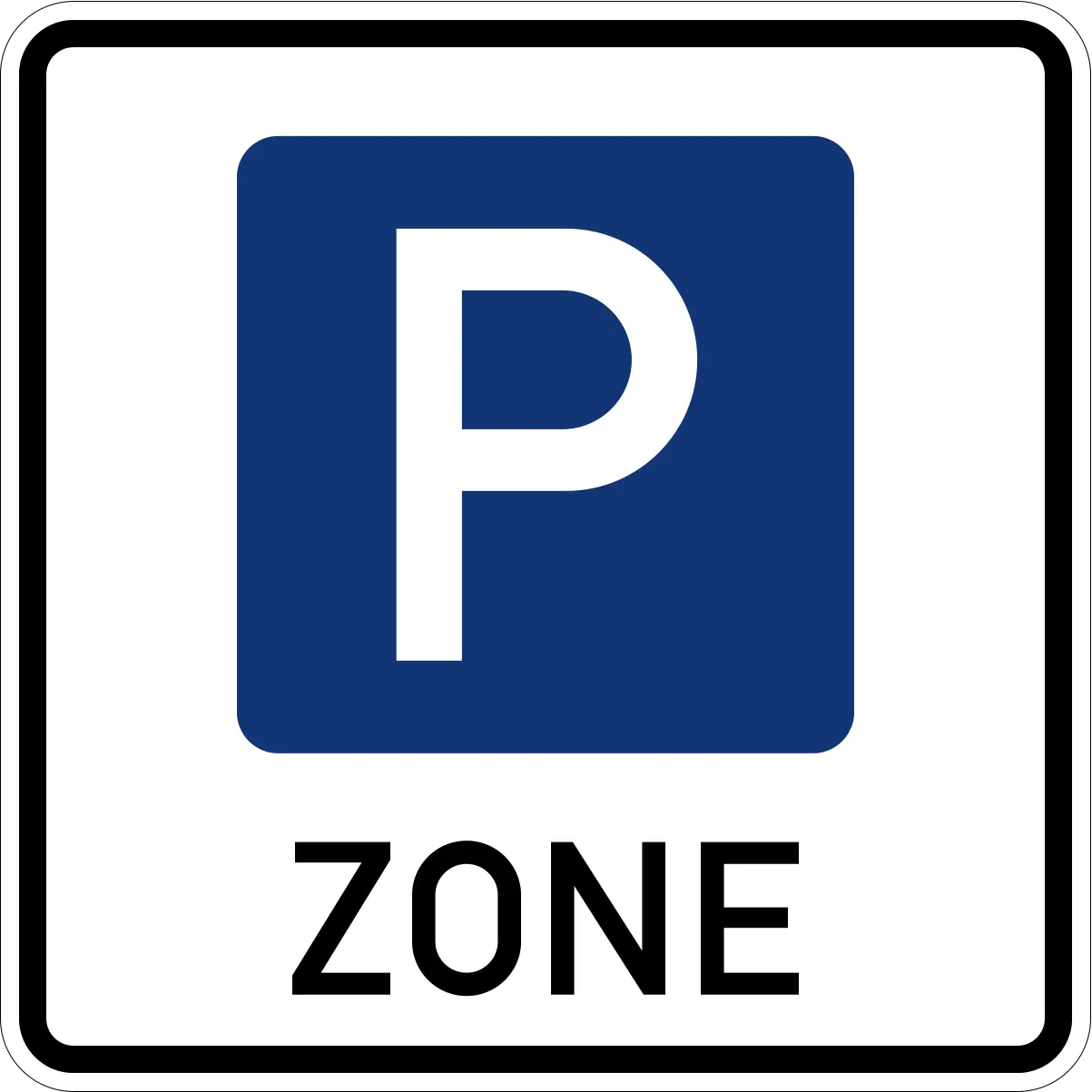
Parking Management Area Start (Bewirtschaftungszone)
Entering a paid parking zone where payment is required or valid permits must be displayed.
- Parking meters or electronic signs
- Mobile payment apps
- Resident permits (free)
- Time limits vary by location
Fine: fines for non-payment
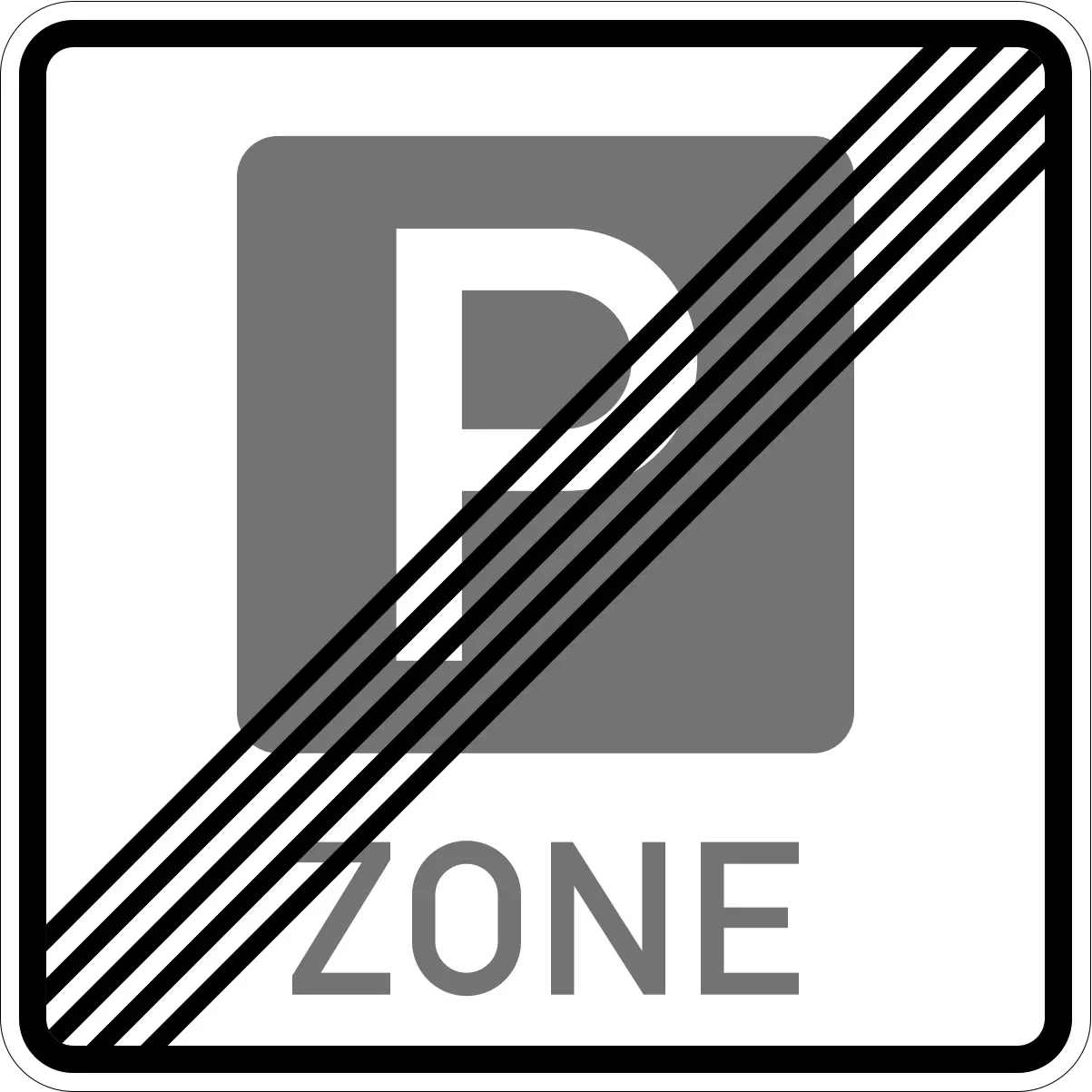
Parking Management Area End
Exiting the paid parking zone. Payment requirement ends here.
Special Parking Areas: Disabled, Resident & Low-Emission Zones
Germany has specialized parking areas reserved for specific vehicle types and purposes. These include hiker parking areas, disabled parking spaces, resident-only zones, and low-emission vehicle areas. Parking in these spaces without proper authorization results in significant fines.
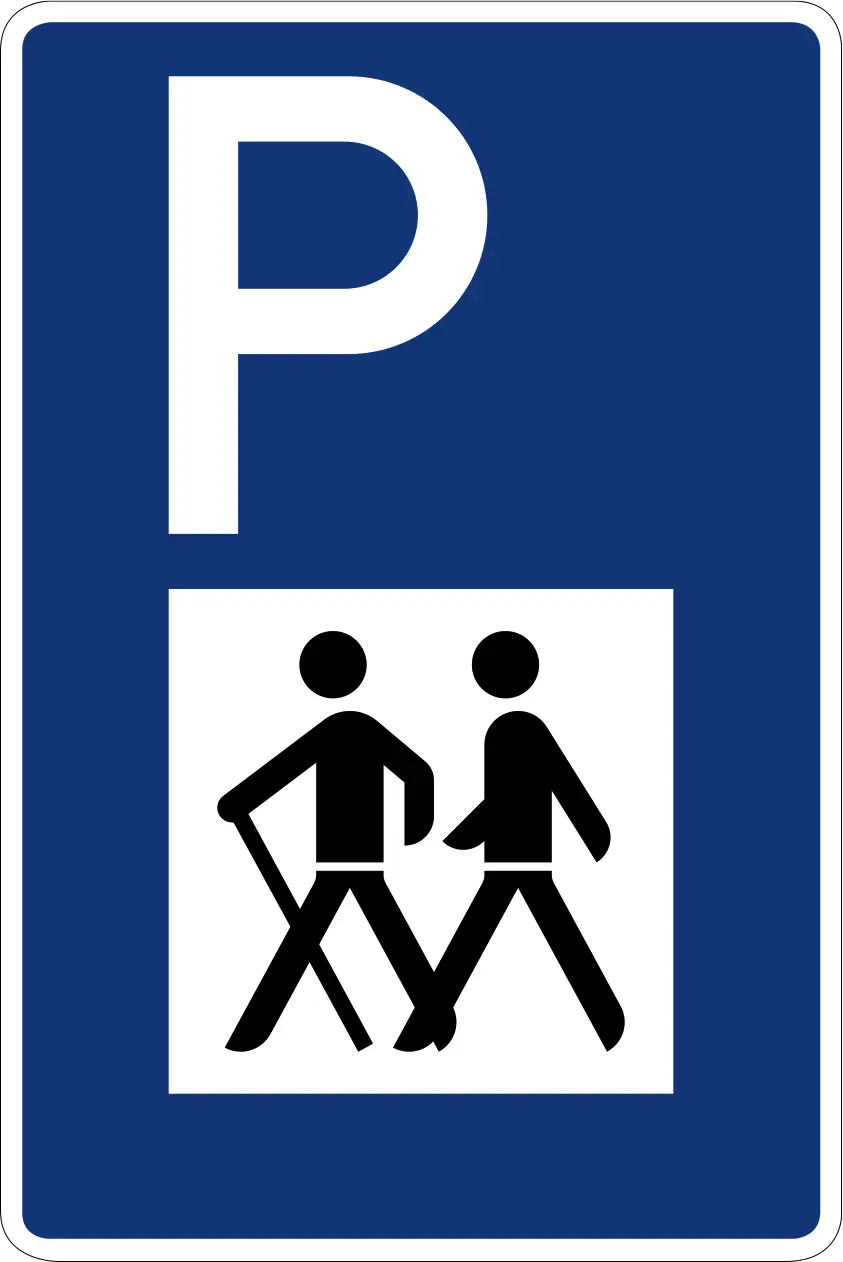
Hiker Parking Area (Wanderparkplatz)
Reserved for hikers starting forest walks or nature trails. Free parking for hiking purposes.
- Free parking while hiking
- Intended for active hikers only
- Staying longer than hike duration may incur fines
- Located near mountain/forest areas
Fine: fines for improper use
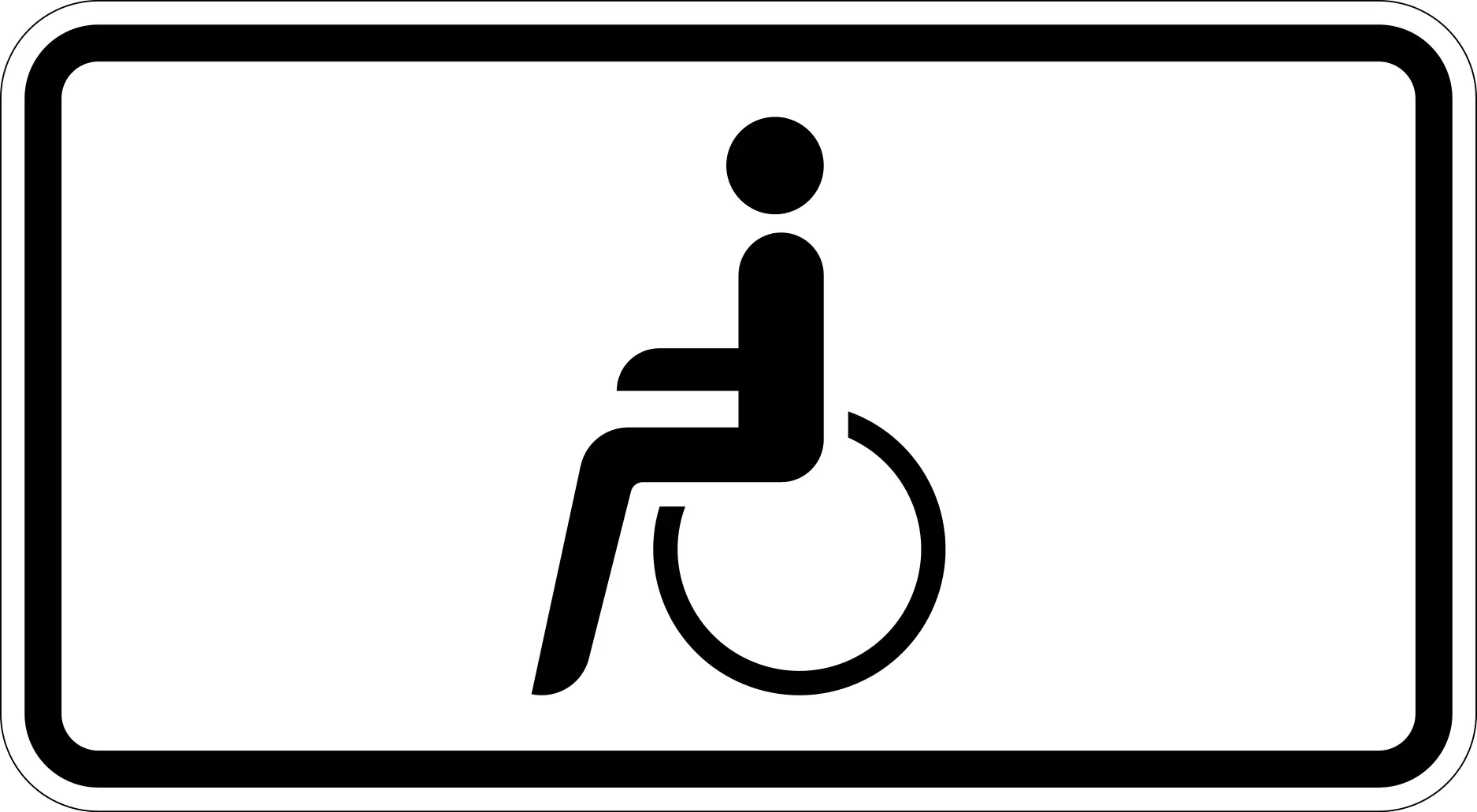
Disabled Parking (Behindertenparkplatz)
Reserved exclusively for vehicles with valid disabled permits (Behindertenausweis).
- Display blue disabled permit on dashboard
- Usually unlimited parking time
- Often free parking
- Unauthorized parking results in heavy fines
Fine: fines for unauthorized parking
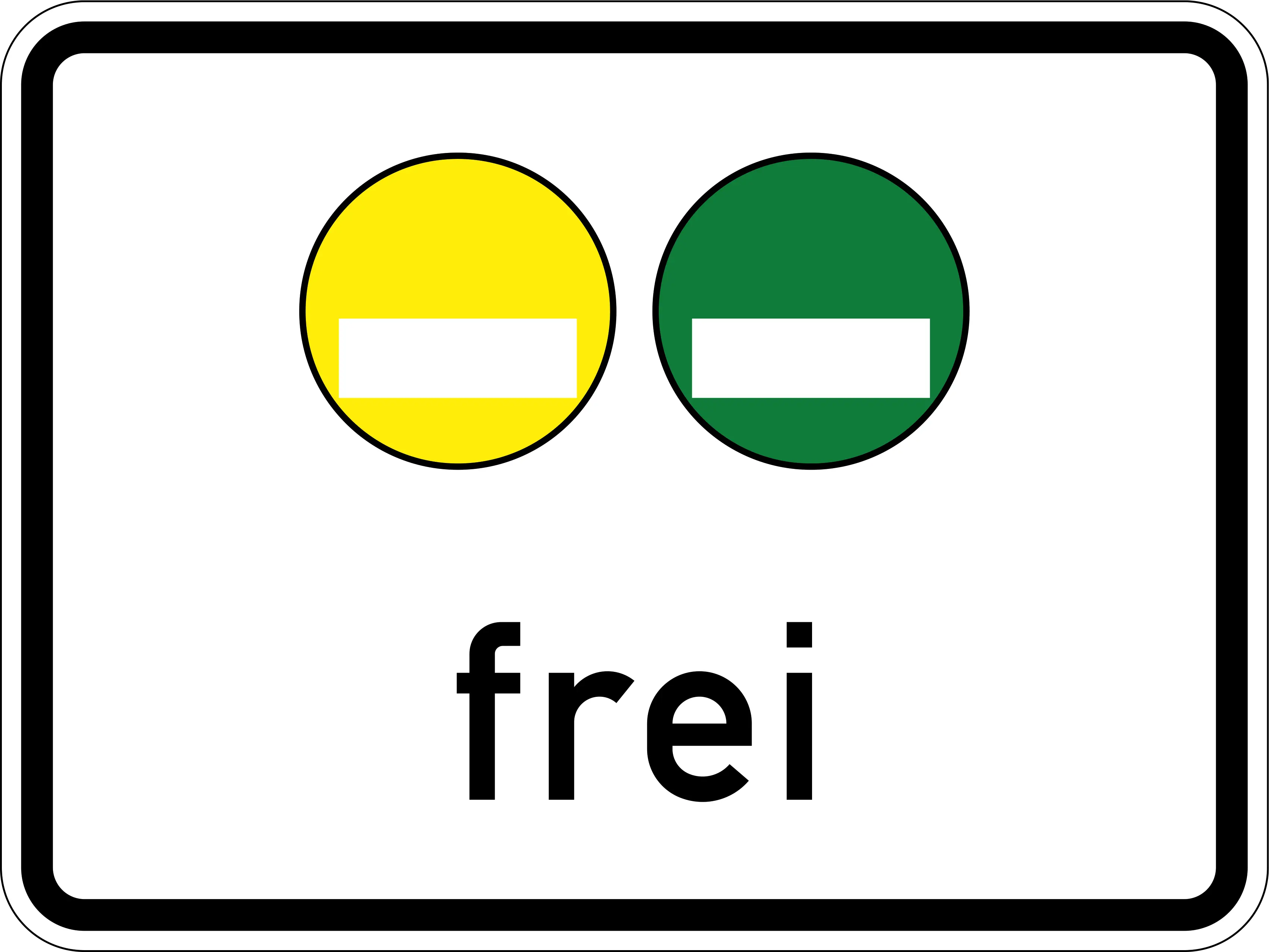
Low-Emission Zone (Umweltzone)
Parking allowed only for vehicles with valid environmental stickers (Umweltplakette).
- Green sticker: Lowest emissions (Euro 4+)
- Yellow sticker: Euro 3 vehicles
- Red sticker: Euro 2 vehicles
- No sticker: Euro 1 or older (restricted)
Fine: fines without proper sticker
How Curb Helps You Park with Confidence
Understanding parking rules is crucial, but applying them correctly in the moment is where drivers struggle. German parking signs can be complex, with multiple supplementary signs indicating restrictions, exceptions, and special conditions. You're standing on the street reading a combination of signs while traffic builds up—and you're not sure if parking here will cost you €20 or €100.
That's where Curb comes in.
Curb's AI-powered parking sign analysis instantly scans any parking sign and tells you exactly what the rules are:
- Whether disc parking is required and what time limits apply
- If you can park right now or must wait
- What the fine is if you violate the rule
- Whether you need a permit or must pay
- How long you can park safely
Instead of guessing, you get a clear verdict in seconds: "You can park here for 2 hours with a valid disc. Set it now and you're OK." Or: "This is a no-stopping zone. You cannot even briefly stop here."
For drivers navigating German streets, visiting new cities, or managing the complex variation in local rules, Curb removes the guesswork entirely.
Get Curb on the App Store
Download Curb and start scanning parking signs today.

Frequently Asked Questions
A parking disc is a permit clock used in time-limited parking zones. You set the disc to your arrival time, and you can park for the maximum duration shown on the sign (usually 1-2 hours). It's free to use—just a clock to show when you parked. Available at petrol stations and car accessory shops. The key is setting it correctly at your arrival time.
Zig zag lines indicate 'no stopping or parking' zones. These are absolute prohibitions and you cannot stop your vehicle, even briefly. Common near pedestrian crossings, bus stops, and fire hydrants. Parking here will result in a fine of fines and possible towing. Even 30 seconds of stopping is illegal in a zig zag zone.
Waiting zones (Haltestelle) allow temporary stopping (blue P signs with left arrow). Stopping zones prohibit stopping entirely (red circle with X). No stopping zones (Halteverbot) mean you cannot stop at all. 'Restricted stopping' zones limit stopping to 3 minutes. Always check supplementary signs for time restrictions, as these vary by location.
Parking management areas are regulated zones where you must pay for parking or display a valid permit. The zone starts with a blue P sign in a rectangle and ends with the same sign crossed out. Parking without payment or permit results in fines of fines. Payment is typically made at meters, via apps, or through permit displays. Check supplementary signs for rates and hours.
Fines in Germany range from fines depending on violation severity. Illegal parking without disc can result in fines fines; parking on zig zag lines costs fines; management area violations cost fines. Early payment (within 7-14 days) typically grants a a discount discount on many violations. Always pay early to maximize discounts.
The Bottom Line: Know the Rules, Avoid the Fines
Parking in Germany doesn't have to be stressful. The rules are logical once you understand them: zig zag lines are absolute prohibitions, parking discs are free clocks for time-limited zones, and zone markers clearly indicate when rules start and end. Most violations stem from simply misunderstanding supplementary signs or miscalculating parking disc times.
The key is to read every sign carefully and set your parking disc correctly if you're in a disc zone. If you're unsure, take a moment to verify or ask a local. The 30 seconds you spend checking could save you fines and the hassle of paying a fine.
And if you want instant clarity on any parking sign, download Curb. Whether you're in Berlin, Munich, Frankfurt, or any German city, Curb's AI analysis gives you the confident answer you need—instantly.
Download Your Free Germany Parking Rules Cheat Sheet
Get a one-page reference guide with all Germany parking signs, zones, disc rules, and fine amounts—perfect for printing or keeping on your phone.
Download the Free PDF